Numismatic Value: Numismatic Coin Value vs. Bullion Coin Value
What does numismatic value mean? Numismatic value is the premium a coin commands based on rarity, condition, historical significance, and collector demand, rather than its metal content alone.
It is important because it determines a coin’s true market value, guides collectors and sellers in making informed decisions, and ensures they receive fair value for exceptional or historically significant pieces.
Every coin has a story, but its numismatic value determines how much that story is worth. From rare mintmarks to historic strikes, certain coins can command prices far beyond their metal content.
Understanding what makes a coin highly prized allows collectors to separate ordinary currency from truly exceptional pieces.
This guide explores the factors that shape value, how grading and appraisals work, and practical strategies to grow a collection that is both historically meaningful and financially rewarding.
If you’re tired of wondering what your coins are worth and are weighing whether to sell coins online or in person, start with a free appraisal with Coinfully.
We’ll provide a detailed evaluation of your collection, answer any questions you may have, and provide a competitive offer, all with zero pressure and no obligation to sell.
Table of Contents
What Is Numismatic Value?
Numismatic value is the value a coin holds beyond its metal content. Numismatic values are driven by qualities that matter to numismatists and the broader numismatic market, such as a coin’s rarity, historical context, condition, and current demand.
Together, these factors influence the true value of a coin and help collectors assess market value accurately and make informed decisions when evaluating or selling a particular coin.
History of Numismatics
Numismatics began in ancient Greece and Rome, where early scholars pursued the study and collection of coins as historical records rather than currency.
Interest expanded during the Renaissance, when European nobles amassed curated cabinets of coins made across centuries.
By the 19th century, organized groups, such as the American Numismatic Association, helped formalize standards and research methods, which transformed numismatics into a disciplined field that laid a solid foundation for today’s global coinage market.
Numismatic Coins vs. Bullion Coin Worth
Numismatic coins derive their value from rarity, historical significance, eye appeal, and coin condition, while bullion coins are valued primarily for their precious metal content and intrinsic value.
A bullion piece’s price closely tracks the market price of gold or silver, whereas numismatic coins can sell far above material worth when rarity and demand align.
Because value is determined differently in each category, collectors must distinguish whether a coin is prized for its backstory or its metal content before purchasing.
Factors That Determine Numismatic Coin Values
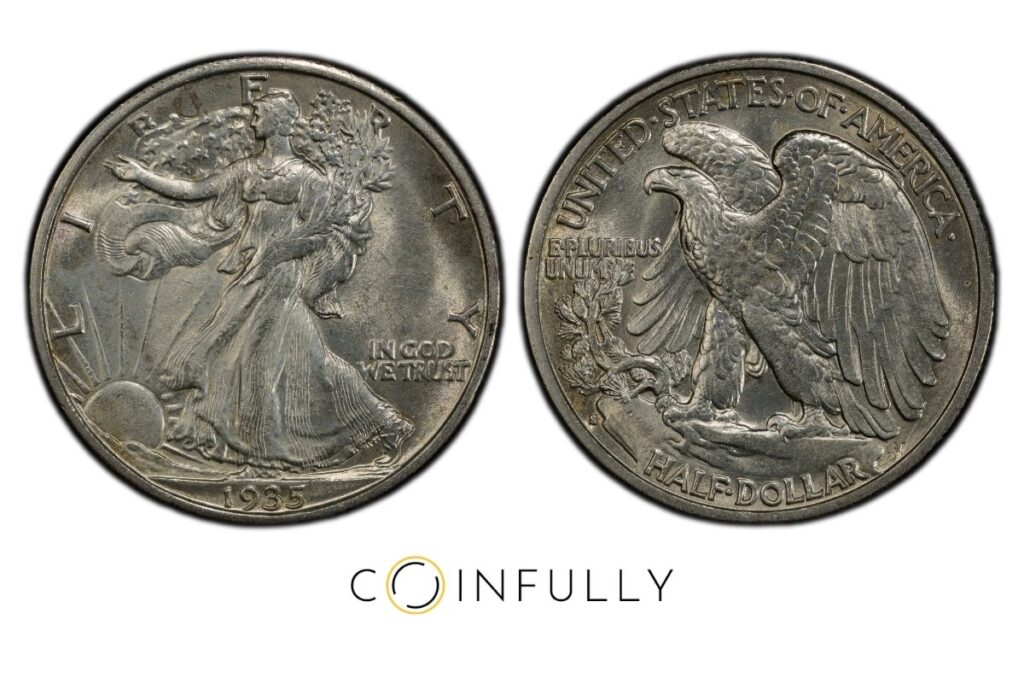
Understanding what drives a coin’s value is essential for collectors and numismatists alike. A coin’s worth is rarely based on metal content alone; factors such as condition, rarity, historical importance, and market demand combine to influence the price a particular coin can command.
Coin Condition and Grade
A coin’s condition is one of the most critical factors in numismatic valuation. Coins in better condition or uncirculated states retain sharp details, full luster, and minimal wear, making them highly prized among collectors.
Grading standards provided by professional services quantify a coin’s condition in universal terms, which helps buyers and sellers assess its market value with precision.
Mintage Numbers and Surviving Examples
The number of coins originally minted and how many have survived in collectible condition directly impact scarcity.
Coins produced in limited quantities or with a low survival rate are often highly sought after. Rarity due to low mintage or attrition over time can dramatically elevate a coin’s value above its metal content.
Historical Significance
Coins tied to important events, eras, or notable figures carry value beyond their physical composition. Certain coins gain a premium because they document a significant moment in U.S. or world history.
Historical context can make a coin especially interesting to collectors, as it represents a tangible connection to the past.
Melt Value of Precious Metals
Even though numismatic value often exceeds intrinsic worth, the metal content of a coin provides a baseline value.
Gold, silver, and other precious metals contribute to the coin’s market price, particularly for coins where numismatic demand is lower. Melt value ensures that even widely available coins maintain a minimum material worth.
Mint Mark
The location where a coin was produced can influence its value and desirability in some cases. Some mintmarks correspond to limited production runs or historically significant mints, which can raise a coin’s value substantially.
Collectors often track mintmarks to complete sets or locate the most sought-after examples.
Common mintmarks include:
- P or no mintmark: Philadelphia Mint
- D: Denver Mint
- S: San Francisco Mint
- W: West Point Mint
Historical mintmarks include:
- CC: Carson City Mint
- C: Charlotte Mint
- O: New Orleans Mint
- D: Dahlonega Mint
Rarity and Scarcity
A coin’s rarity is determined by how uncommon it is in the current market and collector circles. Scarcity can result from low mintage, historical losses, or limited survival in high grades.
Highly prized coins often combine scarcity with demand, making them valuable well beyond the coin’s material or face value.
Special Designations
Special designations such as Mint State (MS) classifications, certified grading, error coins, or notable strike conditions can significantly increase a coin’s value.
Certified coins graded by services such as PCGS or NGC provide buyers confidence in authenticity and condition, often commanding a premium for verified quality and rarity.
Demand in the Current Coin Market
A coin’s value is also shaped by collector interest and market trends. Even rare coins may see fluctuating prices based on shifting preferences or investment activity.
High demand in the current market, especially for popular series or commemoratives, can drive coins to sell for hundreds or even thousands above their intrinsic or baseline numismatic value.
The Importance of Coin Appraisals and Grading When Determining Numismatic Values of Coins
Coin appraisals provide a formal evaluation of a coin’s value. Appraisers consider condition, rarity, historical importance, and current market trends when determining the numismatic value of coins.
Grading assigns a standardized condition rating to coins, is often verified by third-party services, and ensures consistency and trust in the numismatic market.
Both can be essential for coin collectors considering whether to sell a coin collection, as they help determine numismatic coins’ values and protect against undervaluation or counterfeit concerns.
Understanding the Sheldon Coin Grading Scale
The Sheldon Coin Grading Scale ranges from 1 to 70, with 1 representing a barely identifiable coin and 70 representing a perfect, flawless example.
Coins in better condition receive higher grades, which typically ensures high premiums in the marketplace. Professional numismatists rely on this scale to provide consistent, accurate coin valuation across many coins, enabling collectors to buy and sell with confidence.
How Numismatic Coin Value Affects Sale Price
A coin’s numismatic value can dramatically exceed its metal content, and it directly influences the price it commands when sold. Collectors pay more for coins with low mintages, strong demand, historical significance, or exceptional condition.
As these factors intensify, the spread between a coin’s melt value and its market value widens. Simply put, stronger numismatic qualities directly translate into higher prices when you sell.
How To Determine Numismatic Coin Values
Accurately determining a coin’s value requires consulting reliable resources and expert opinions rather than relying on assumptions or anecdotal pricing.
Proper evaluation ensures that each coin’s rarity, condition, and market demand are correctly assessed to prevent undervaluation or missed opportunities when buying or selling.
Coin Appraisal by a Professional Numismatist
Professional numismatists offer expert evaluations that consider subtleties beyond published guides, including historical significance, collector interest, and potential rarity issues.
An online or in-person appraisal can identify overlooked characteristics and flag coins that aren’t as valuable as they appear, ensuring accurate coin valuation and providing confidence when negotiating a sale.
Use a Coin Grading Service
Third-party grading services, such as PCGS or NGC, assign standardized grades to coins based on condition and authenticity. Certified coins carry verifiable grades that reduce risk for buyers and sellers, protect against counterfeit issues, and often increase market value.
Grading is highly recommended for particularly valuable coins, such as valuable Barber quarters, rare half dollar issues or valuable Morgan dollars. Consult with a numismatist to confirm if grading will help the value of your item or incur unnecessary grading fees.
Growing Your Coin Collection
Building a collection requires strategy, research, and a clear understanding of which coins hold lasting value. Focusing on historically significant or high-demand pieces can maximize both enjoyment and potential future returns.
Gold Coins and Numismatic Value
Gold coins, including historic issues, often carry both intrinsic metal value and numismatic premiums. Coins such as early American gold issues or U.S. commemoratives can appreciate significantly over time, particularly when well preserved.
Tracking mintmarks and condition trends helps collectors gauge which pieces have the potential to increase in value while providing a tangible connection to historical currency and craftsmanship.
If you’re considering whether or not to sell gold coins in your collection, a professional appraisal is the first step.
Silver Coins and Numismatic Value
Silver coins have long been popular among collector circles due to their durability, aesthetic appeal, and metal content. Certain coins appreciate because of rarity, historical importance, or limited mintage, while others reflect changes in the market’s silver price.
Collecting coins such as early U.S. half dollars and American Eagles allows collectors to combine tangible metal worth with historical significance. As with gold coins, an appraisal is essential if you’re thinking about whether to sell silver coins or hold on to your collection.
Other Collectible Coins and Rare Coins
Beyond gold and silver, coins from specific periods or special commemoratives offer unique opportunities. Rare coins can become highly prized due to scarcity, historical context, or design uniqueness.
Strategic acquisition of these pieces allows a collection to grow in both monetary and educational value, creating a portfolio that reflects both history and evolving collector demand.
Coin Collecting Strategies
Successful coin collecting combines research, patience, and careful planning. New collectors benefit from focusing on quality over quantity, understanding grading standards, and documenting acquisitions to track value and provenance.
Helpful tips include:
- Start with a specific focus, such as a particular era, type, or series.
- Learn to identify authentic coins and recognize subtle variations in mintmarks or strike quality.
- Join local or national numismatic clubs to access knowledge and trading opportunities.
- Maintain proper storage and handling to preserve condition.
- Regularly review price guides and auction results to understand trends.
Get a Free Coin Appraisal With Coinfully
At Coinfully, we make understanding your collection simple and transparent.
You can start with a free online coin appraisal, or for qualifying large collections, you can take advantage of our at-home appraisal service, where our experts will come to your home to evaluate every piece individually at no cost to you.
Because we have low overhead costs and access to a global network of buyers, we can offer higher prices than typical dealers, and our commitment to full transparency ensures you’re not left in the dark at any point of the process.
From initial contact to authentication and secure payment, our goal is to provide the most trustworthy, convenient, and rewarding experience when you’re ready to sell your coins.
Contact Coinfully today to learn the true value of your collection and receive your offer.
Learn More About Valuable Coins
- 10 Most Valuable Barber Dimes
- 10 Most Valuable Bust Dollars
- 10 Most Valuable Seated Liberty Dimes
- The Top Silver Dollars Worth Money
- Collector’s Guide To The Most Valuable Gold Coins
- US Proof Set Values
The post Numismatic Value: Numismatic Coin Value vs. Bullion Coin Value appeared first on Coinfully - the Best Way to Sell Coins | Free Appraisals.
Original post here: Numismatic Value: Numismatic Coin Value vs. Bullion Coin Value


Comments
Post a Comment