How To Sell an Inherited Coin Collection: The Complete 2026 Guide
How to sell an inherited coin collection: To sell inherited coins, organize the coins by type, obtain a professional appraisal, check current market conditions, choose which selling venue fits your needs, and ensure a secure transaction.
An inherited coin collection can hold more than monetary value. Many can carry decades of history and personal significance. Sorting, identifying, and valuing the coins may seem daunting at first, but breaking the process into clear steps makes it much easier.
Whether your goal is to keep, sell, or selectively do both, understanding the collection and approaching it thoughtfully ensures you make informed decisions and secure the best outcome for your inherited coins.
Thinking of selling your inherited coin collection? It’s important to know what you’re holding first. Start with a free online coin appraisal from Coinfully. You’ll be given a detailed evaluation that can be used for sales, insurance purposes, estate planning, and more.
Table of Contents
How To Sell an Inherited Coin Collection: Quick Guide
Selling an inherited coin collection may feel intimidating at first, especially if you are unfamiliar with coins or precious metals. Breaking the process into a few clear steps makes it much easier to move forward with confidence.
- Take Inventory of the Collection: Organize the coins and note what you have. Separate them by type, denomination, or packaging so you can see whether the collection contains bullion coins, older collectibles, or modern mint sets.
- Identify the Coins: Look for dates, mintmarks, and country of origin. This helps determine whether the coins are common circulation pieces, collectible issues, or coins with significant precious metal content.
- Determine the Value: Research the coins using reliable sources or recent sales data. Value depends on several factors including rarity, condition, and the current price of gold or silver. A professional evaluation will keep your expectations realistic when selling.
- Consider Your Options: Decide whether you want to keep certain coins for sentimental reasons or sell the entire collection. Many inheritors choose to keep a few meaningful pieces while selling the rest.
- Choose Where To Sell: Once you understand what the coins are worth, compare selling options such as local coin shops, dealers, auctions, or reputable online buyers. The right choice depends on convenience, pricing, and security.
If you’d like a fast, convenient, stress-free option, Coinfully makes it easy to sell coins online. With full transparency, top-of-market offers, and secure transactions, you can rest assured that you and your collection are in good hands.
What To Do With an Inherited Coin Collection: Your First Steps
Inheriting a coin collection can bring up a mix of emotions. Many collections were built over decades, and handling them often carries a strong connection to the person who owned them.
It is completely normal to feel emotional and uncertain about what to do next. Taking a careful, methodical approach will help you protect the collection while you learn more about what you have.
Organize the Collection
Begin by laying out the collection and noting the types of coins, denominations, years, and any packaging such as albums, mint tubes, envelopes, or graded holders.
Group similar coins together to make the collection easier to review. Photographs can also be helpful, especially for larger collections, allowing you to document everything before moving or transporting the coins.
Handle Coins Carefully
Proper handling protects both the condition and value of the coins. Always hold loose coins by the edges rather than touching the faces, which can leave oils or fingerprints on the surface. If possible, use cotton gloves when examining valuable pieces.
Avoid cleaning coins under any circumstances, since even gentle cleaning can damage the surface and significantly reduce collector value.
Look for Obvious Precious Metal Coins
Many inherited collections contain coins made of gold or silver, which carry significant intrinsic value. Look for common bullion coins such as American Gold Eagles or American Silver Eagles, as well as older U.S. coins minted before 1965 that contain silver.
Valuable gold coins typically have clear weight markings, such as 1 oz or 1/2 oz, and often stand out due to their color and packaging.
Document Value for Tax Purposes
If your inherited coins could have significant value, obtaining a professional appraisal soon after inheritance is strongly recommended. This documents the fair market value at the date of death, which establishes the step-up in basis for tax purposes.
Early appraisal helps prevent disputes with the IRS, supports accurate reporting if you sell later, and can reduce or even eliminate capital gains taxes. It is especially important for rare or collectible coins. Common bullion coins can often be valued using current spot prices.
Identifying Your Inherited Coins
Once the collection is organized, the next step is identifying exactly what coins you have. Many inherited collections contain a mix of common coins, precious metal bullion, and collectible pieces that may carry additional value.
Taking the time to identify the coins by date, type, and origin will give you a clearer picture of the collection and help guide your next steps.
Valuable Coins To Look For
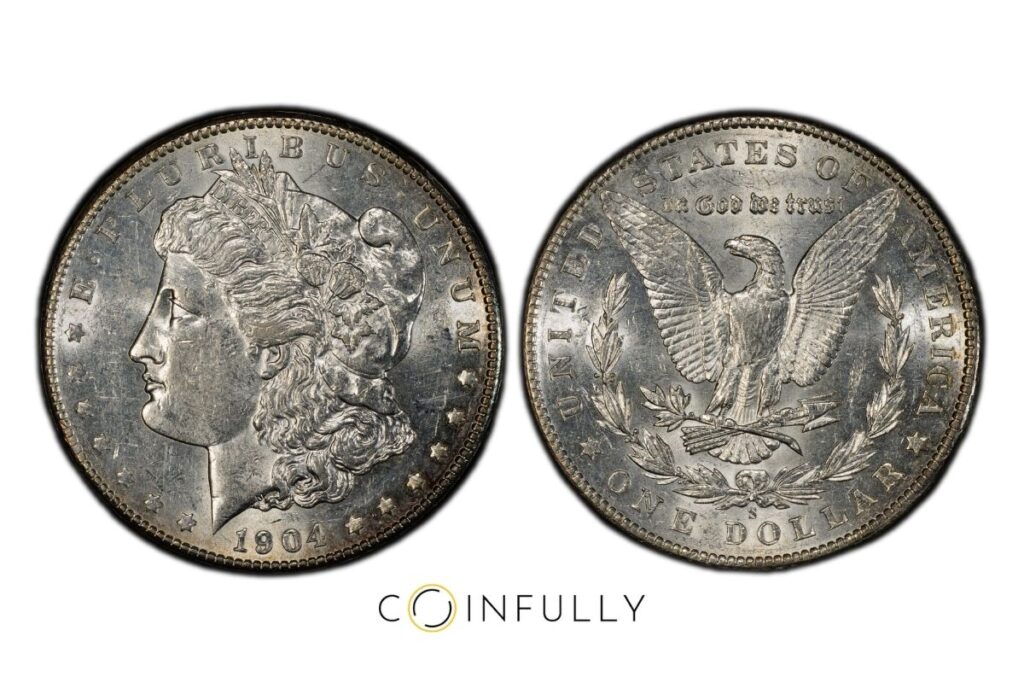
Certain coins appear frequently in inherited collections and are known for holding strong value. U.S. silver dollars such as Morgan dollars and Peace dollars are common examples, along with modern bullion coins such as American Silver Eagles and American Gold Eagles.
Older U.S. gold coins minted before 1933 can also be especially valuable. Proof sets, commemorative coins, and limited mintage releases may also carry collector demand.
Collectible Coins vs. Bullion Coins
Coins generally fall into two broad categories: collectible coins and bullion coins. Collectible coins, or numismatic coins, derive value from rarity, historical significance, and condition.
Unless you are very knowledgeable about numismatics, it’s best to obtain a professional appraisal for collectible coins. If you skip this step, undervaluing or overvaluing is likely.
Bullion coins are valued primarily for their precious metal content, such as gold or silver. The prices for both gold and silver have been on an upward trend lately, with gold hovering around $4,500–$5,000 per troy ounce and silver fluctuating between $65 and $90 in March 2026.
Understanding What Your Inherited Coin Collection Might Be Worth
Determining the value of an inherited coin collection is rarely as simple as looking up a single price. Coin values depend on several variables, and even coins that look similar can sell for very different amounts depending on their condition, rarity, and metal content.
Factors That Determine Coin Value
Several factors influence how much a coin is worth on the market. The most obvious is precious metal content, particularly for gold and silver coins whose value tracks closely with current metal prices.
Rarity also matters. Coins with low mintages or limited surviving examples tend to command higher prices. Condition is another major factor, since coins with minimal wear or strong original surfaces typically bring higher offers from buyers and collectors.
Why Online Price Guides Can Be Misleading
Online price guides can provide a rough starting point, but they often reflect retail listing prices rather than what coins actually sell for. Many guides assume ideal condition or professionally graded examples, which can lead to inflated expectations.
Auction results can vary widely depending on timing, demand, and coin quality. Without examining the specific coin, price estimates found online should be treated cautiously.
Why Professional Evaluation Is Helpful
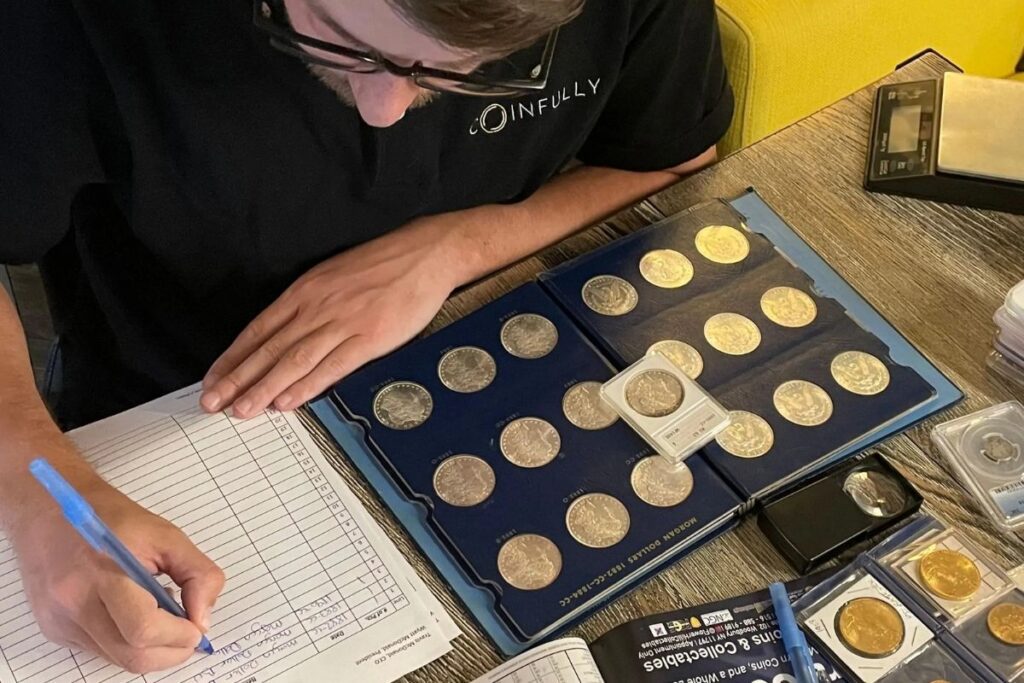
A professional appraisal can provide a far more accurate assessment of an inherited coin collection. Experienced coin buyers and numismatists examine details such as mintmarks, strike quality, surface preservation, and signs of cleaning or damage.
These factors can significantly affect value but are often overlooked by beginners. For larger or potentially valuable collections, expert review helps prevent costly misidentification or undervaluation.
Deciding Whether To Sell or Keep the Coins
Deciding whether to sell or keep an inherited coin collection often involves both practical and emotional considerations.
While some coins may hold significant monetary value, others may carry sentimental meaning, and balancing these factors is an important part of the decision-making process.
Sentimental Value vs. Market Value
Many inherited collections contain coins that were carefully chosen or cherished by the original owner, making them emotionally significant. Even if certain coins are not rare or valuable, keeping a few key pieces can preserve family history and memories.
Weighing sentimental attachments against potential financial gain helps ensure decisions honor both personal and monetary considerations.
When Selling Makes the Most Sense
Selling may be the best choice when a collection contains coins primarily valued for investment or precious metal content. It can also simplify estate management, free up storage space, or provide liquidity for immediate needs.
In some cases, selling portions of the collection while keeping meaningful pieces strikes a balance between financial benefit and emotional preservation.
Where To Sell an Inherited Coin Collection
Once you understand what the coins are and roughly what they may be worth, the next step is choosing where to sell them.
Several options are available, each with different levels of convenience, pricing, and risk. Take time to compare these options carefully so you can find a secure buyer and receive a fair offer.
Local Coin Shops
Local coin shops are one of the most common places to sell inherited gold coins, inherited silver coins, and inherited numismatic pieces. They offer the advantage of in-person evaluation and immediate payment in many cases.
However, offers may be lower than other selling methods because shops must leave room for resale profit and overhead costs.
Coin Dealers and Shows
Coin shows and specialized dealers can provide access to experienced buyers who understand collectible coins and precious metals. If your collection contains rare or unusual pieces, these venues may attract more knowledgeable interest.
The downside is that attending shows often requires travel and time, and pricing can vary widely depending on the dealer.
Online Marketplaces and Auctions
Online platforms allow you to list coins for sale and potentially reach a large pool of buyers. Rare or highly collectible coins sometimes perform well at auction.
However, this approach requires photographing, listing, shipping, and managing transactions yourself. Seller fees, payment disputes, and returns can also reduce the final profit.
Reputable Online Coin Dealer
Established online coin buyers provide a streamlined option for selling inherited collections. Many offer insured shipping, professional evaluation, and transparent pricing based on current market conditions.
Working with a reputable buyer can simplify the process, especially for larger collections, while still providing competitive offers.
Tips for Getting the Best Price
Getting the best price for an inherited coin collection requires a bit of preparation and patience. A few careful steps can prevent costly mistakes and help you recognize fair offers when they appear.
- Research the coins before selling: Identify key details such as the year, mintmark, and metal content. Even basic research can show you whether coins are common bullion pieces or collectible issues that may carry additional value.
- Keep coins in their original holders: Albums, flips, mint packaging, and graded slabs help preserve condition and authenticity. Removing coins from these holders can reduce buyer confidence and lower offers.
- Never clean coins: Cleaning may seem harmless, but it can permanently damage surfaces and reduce collector value. Many cleaned coins sell for significantly less than untouched examples.
- Compare offers from multiple buyers: Different buyers specialize in different types of coins. Getting more than one quote helps establish a realistic market value.
- Understand current gold and silver prices: If the collection includes bullion or pre-1965 silver coins, the value will closely track precious metal prices. Checking current spot prices helps you evaluate bullion offers more accurately.
Securing Payment When Selling Inherited Coins
Before completing a sale, confirm exactly how and when you will be paid. Reputable buyers should clearly explain their payment process and timeline in advance.
For in-person transactions, payment is often made immediately by cash, check, or electronic transfer. When selling remotely, use buyers who provide written purchase agreements and verifiable business information.
Always ship coins with full insurance and tracking, and keep documentation of the transaction. Avoid buyers who pressure you to finalize a sale quickly or request unusual payment arrangements. Reliable dealers prioritize transparent terms and secure payment methods.
Get a Free Appraisal With Coinfully
Coinfully offers a simple way to receive a professional coin appraisal without leaving home. To begin, you submit clear photos or an inventory of your coins so our team can review the collection and provide official documentation regarding value.
Our numismatic experts evaluate the coins using current market data and provide a detailed appraisal along with a purchase offer. There is absolutely no obligation to sell.
If you choose to accept the offer, the coins can be shipped with full insurance, and payment is typically issued immediately after the coins are received and verified under 4k cameras.
For larger or especially valuable qualifying collections, Coinfully offers an at-home appraisal service where a numismatic expert travels to you, evaluates the coins in person, and can issue payment on the spot if you decide to sell.
Sell Your Inherited Coin Collection With Confidence
An inherited coin collection often represents years of careful collecting, investment, and personal interest. Taking the time to identify the coins, understand their value, and choose the right selling method ensures that effort is respected.
With a thoughtful approach, the process can be both financially rewarding and personally meaningful.
Whether the collection contains a handful of silver coins or a large collection of rare pieces, careful evaluation and thorough screening of potential buyers help ensure the coins find the right market and you receive fair value for what you have inherited.
Think you’re ready to sell your inherited coin collection? Contact us today to find out how much your collection is truly worth and receive your offer. It really is that simple.
The post How To Sell an Inherited Coin Collection: The Complete 2026 Guide appeared first on Coinfully - the Best Way to Sell Coins | Free Appraisals.
Original post here: How To Sell an Inherited Coin Collection: The Complete 2026 Guide


Comments
Post a Comment