Coin Appraisal vs. Coin Grading: What’s the Difference?
If you have coins you are thinking about selling, you have probably come across two terms that sound similar but mean very different things: coin appraisal and coin grading.
Both involve evaluating your coins, but they serve different purposes, involve different processes, and deliver different results.
Understanding coin appraisal vs. grading can save you time, money, and confusion, whether you’re selling a single coin or an entire collection.
In a hurry? The fastest way to learn the value of your coins is to get a free online coin appraisal from Coinfully.
The entire process is designed to provide you with a detailed evaluation of your collection without you needing to leave home. No stress, no need to transport your coins, and no pressure to sell, ever.
Table of Contents
What Is a Coin Appraisal?
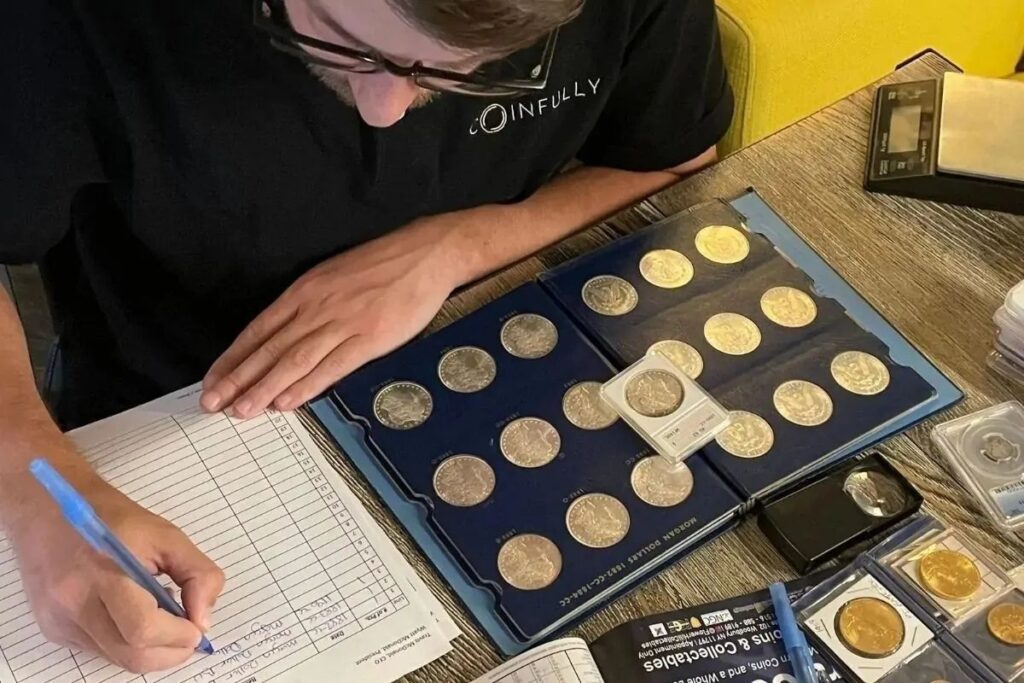
A coin appraisal is a professional estimate of a coin’s market value. An appraiser examines your coin and considers several factors, including its condition, rarity, mintage, historical significance, and current market demand.
The goal is to give you a dollar figure that reflects what the coin could reasonably sell for today.
Appraisals are commonly used for:
- Selling coins or collections and wanting a fair price estimate.
- Insurance purposes, where you need a documented replacement value.
- Estate planning, settlements, and probate, where IRS fair market value is required.
- Personal knowledge before deciding whether to sell or hold.
During an appraisal, the appraiser may give you an estimated grade for your coin, such as “About Uncirculated” or “Extremely Fine.” However, this is not the same as a certified grade.
An appraisal provides a professional opinion of value, but the grade assigned during an appraisal is only an estimate. It doesn’t carry the authority or market recognition of a grade issued by a third-party grading service.
Coinfully offers free coin appraisals, both online and in person (if your collection qualifies) so you can find out what your coins are worth before making any decisions.
If you’re ready to take the next step, we make it simple to sell coins online without the headaches and risk factors common with other options.
What Is Coin Grading?
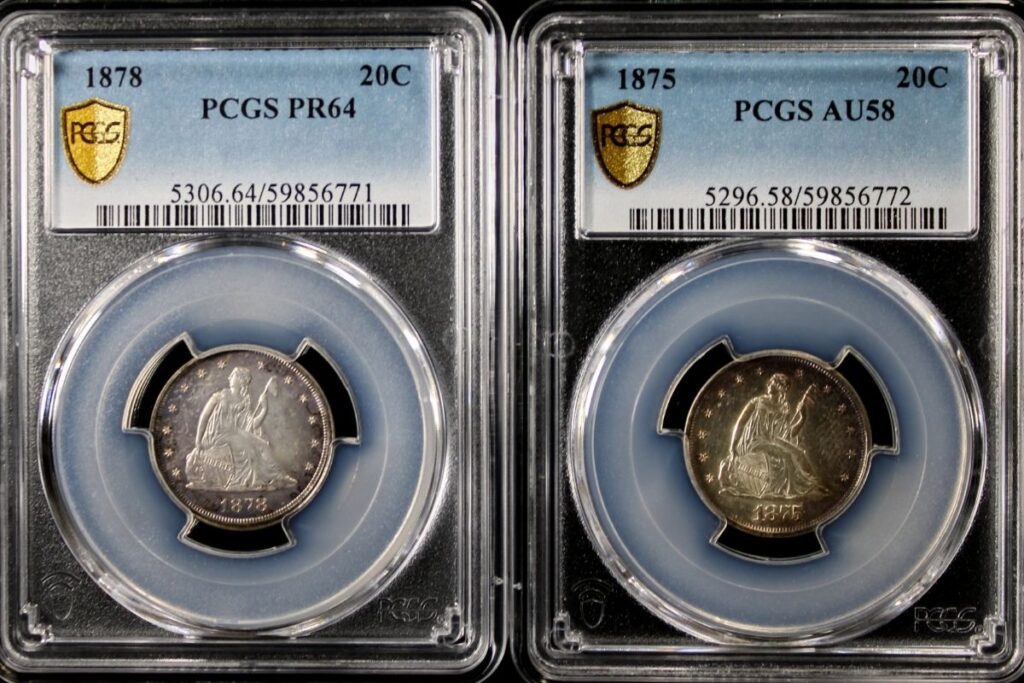
Coin grading is the process of evaluating a coin’s physical condition and assigning it a numerical grade on a standardized scale.
The most widely used system is the Sheldon Scale, which ranges from 1 (Poor) to 70 (Perfect Mint State). This coin grading scale allows collectors, dealers, and investors to communicate a coin’s condition with precision.
Third-party coin grading services are performed by independent certification specialists. The two most recognized are PCGS (Professional Coin Grading Service) and NGC (Numismatic Guaranty Corporation).
Other services include ANACS and CACG.
When these organizations grade a coin, they evaluate five main attributes:
- Strike quality: How well the design was impressed onto the coin.
- Surface preservation: Scratches, marks, and other damage.
- Luster: The original mint shine and reflectivity.
- Coloring/toning: Natural vs. artificial color changes.
- Eye appeal: The overall visual impression.
After grading, the coin is sealed in a tamper-evident plastic holder, commonly called a “slab,” along with a label showing its certified grade and a unique certification number.
This process is known as coin certification, and it combines authentication (confirming the coin is genuine) with grading (assigning a condition score).
It is important to understand that third-party coin grading is an entirely separate service from a coin appraisal.
Grading services evaluate condition, not market value. PCGS grading or NGC grading tells you the physical state of the coin, but it does not tell you what the coin is worth in dollars.
Key Differences Between Coin Appraisal and Coin Grading
The core distinction is straightforward: an appraisal tells you what a coin is worth, while grading tells you the condition it is in. Here’s how they compare:
- Purpose: An appraisal estimates market value in dollars. Grading assigns a numerical condition score on the Sheldon Scale.
- Who performs it: Appraisals are done by experienced coin dealers, numismatists, or professional appraisers. Grading is performed by third-party certification services such as PCGS, NGC, ANACS, or CACG.
- What you receive: An appraisal gives you a value estimate. Grading gives you a certified grade, a holdered coin in a tamper-evident slab, and a coin authentication guarantee.
- Cost: Coin appraisal costs range from free (like Coinfully’s) to a modest fee, depending on the collection size. Coin grading costs typically run $20 to $150+ per coin, depending on the service tier and turnaround time.
- Turnaround: Appraisal time can range from a few minutes to several days, depending on the size and complexity of the collection. Grading services may take weeks or months, depending on the service level selected.
- When you need it: Get an appraisal when you want to know value for selling, insurance, or estate purposes. Choose grading when you have a coin that may benefit from certification for resale or long-term investment.
When Should You Get an Appraisal?
A coin appraisal is the right first step for most people. If you have inherited a collection, found old coins in a safe deposit box, or simply want to know what your coins are worth, an appraisal gives you the information you need without any commitment.
Appraisals are especially important for estate settlements, where the IRS requires a fair market value determination. They’re also useful if you’re comparing offers from multiple buyers or deciding whether certain coins are worth the investment of professional grading.
Coinfully offers a free online coin appraisal, but if you have a particularly valuable collection, we also offer an at-home appraisal service, where one of our numismatists will travel to your home to conduct the appraisal in person.
When Should You Choose Professional Coins Grading?
Professional coin grading makes the most sense when you have coins that are potentially valuable and where an exact condition assessment could significantly affect the price.
For example, the difference between a coin graded MS-64 and MS-65 can be thousands of dollars for certain key dates and types.
Consider grading if:
- The coin appears to be in high grade (uncirculated or nearly so).
- The coin is a key date, rare variety, or high-demand type.
- The coin’s value justifies the grading fee and wait time.
- You plan to sell to collectors or at auction, where slabbed coins command premiums.
- You want authentication to confirm the coin is genuine.
Keep in mind that grading does not make sense for every coin. Common-date coins in average circulated condition rarely benefit from the expense. A professional appraiser can help you determine which coins in your collection are candidates for grading.
Can You Get Both?
Absolutely. Many collectors start with an appraisal to understand the overall value of their holdings and then selectively send their best coins to PCGS or NGC for certification.
This is often the smartest approach, as it avoids spending grading fees on coins that won’t benefit from the process. See our guide on how to get coins appraised to be sure you follow the correct steps.
At Coinfully, our appraisers can help you identify which coins in your collection may be worth grading and which are ready to sell as-is.
Our free appraisal service gives you a clear picture of your collection’s value, and we can guide you on next steps, whether that means selling directly to us, pursuing third-party coin grading, or holding for the right market conditions.
Real High-Value Coins We’ve Appraised at Coinfully
To help you fully understand the importance of getting a professional appraisal, here are actual coins we’ve recently appraised at Coinfully. Each example reflects how grading, scarcity, and collector demand influence pricing.
1878 Twenty-Cent Piece (Proof)
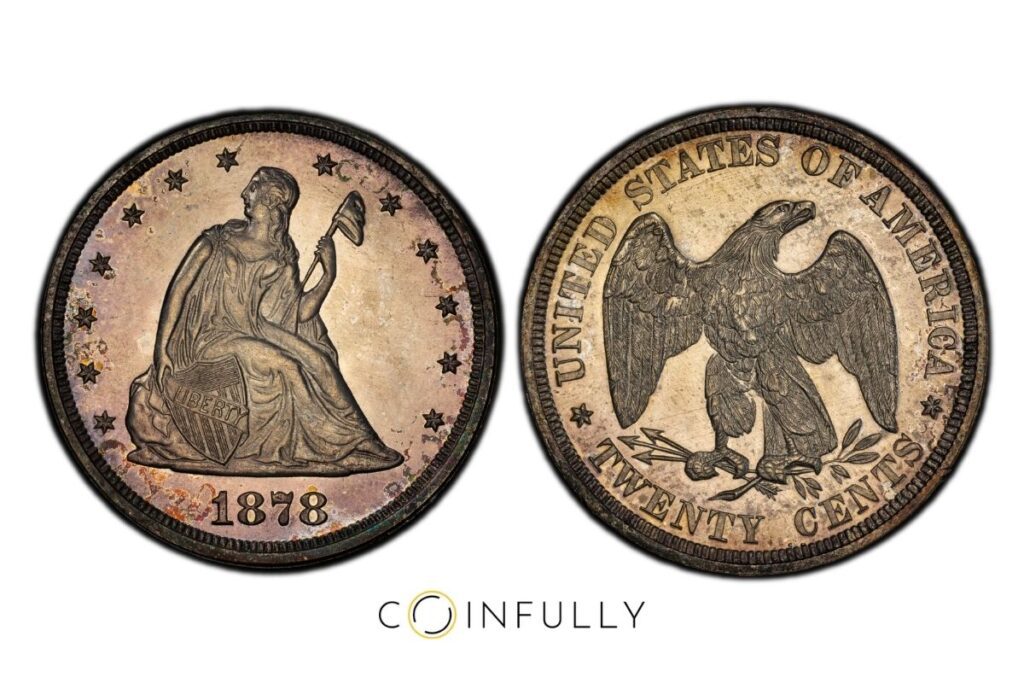
- Certification #: 59856771
- Coin Grade: PR64
- Appraised Value: $4,000
1937-D Buffalo Nickel (3-Legged Error Die)
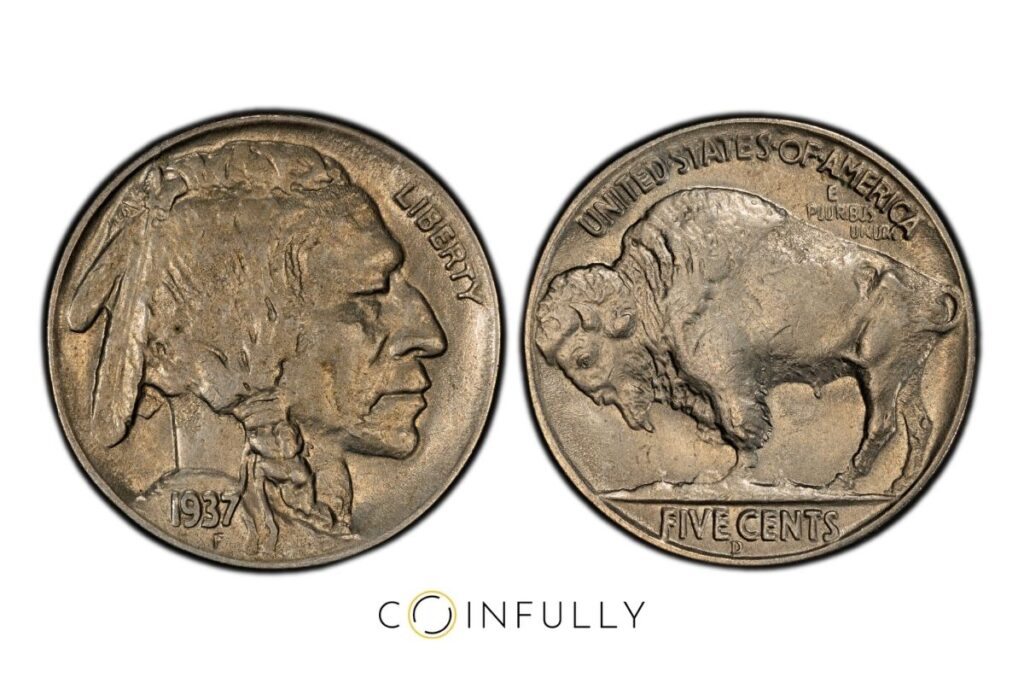
- Certification #: 59851419
- Coin Grade: AU58
- Appraised Value: $2,200
1919 Walking Liberty Half Dollar
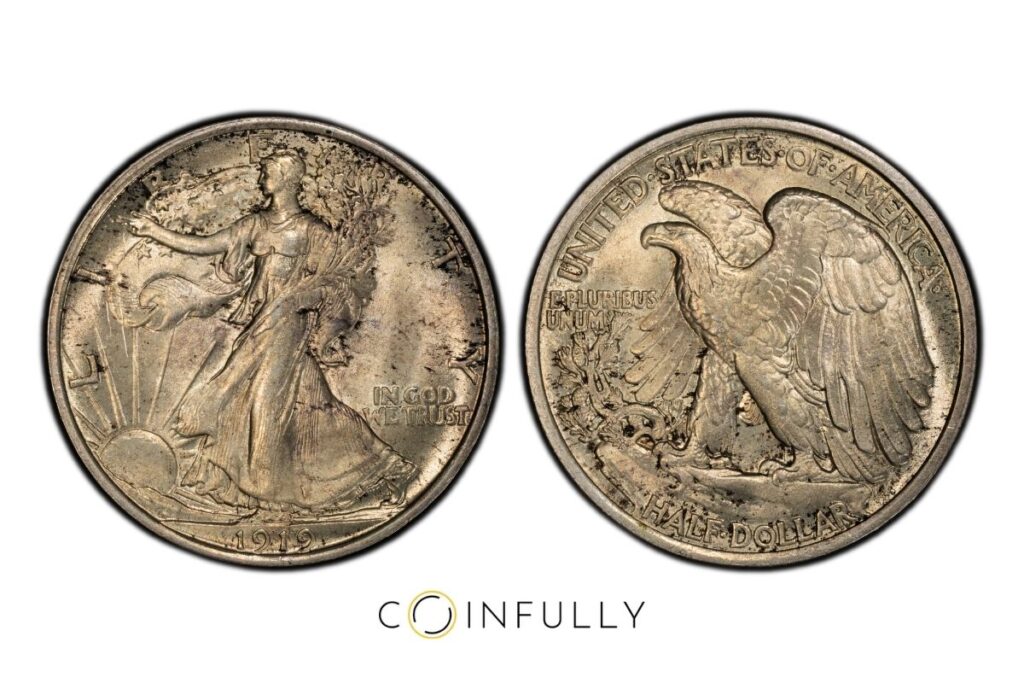
- Certification #: 59851417
- Coin Grade: MS63
- Appraised Value: $2,600
Coin Appraisal vs. Grading: The Bottom Line
Coin appraisal and coin grading are both valuable services, but they answer different questions. An appraisal tells you what your coins are worth. Grading tells you the precise condition they are in.
An appraisal can include an estimated grade, but only a third-party grading service such as PCGS or NGC can issue a certified grade that carries market authority.
If you’re unsure where to start, a professional appraisal is almost always the right first move. It costs less, takes less time, and gives you the information you need to make smart decisions about your coins.
Ready to find out what your coins are worth? Request a free online coin appraisal from Coinfully today. Our numismatic experts will evaluate your coins and help you understand your options, whether you are looking to sell, insure, or simply learn more about what you have.
Contact us today to get started. Your collection could hold way more value than you think!
The post Coin Appraisal vs. Coin Grading: What’s the Difference? appeared first on Coinfully - the Best Way to Sell Coins | Free Appraisals.
Original post here: Coin Appraisal vs. Coin Grading: What’s the Difference?


Comments
Post a Comment