Rare Coin Appraisal: How To Find the True Value of Rare Coins
Whether you inherited a coin collection, stumbled across an old box of coins in the attic, or have been collecting for years, knowing what your rare coins are actually worth is essential before you decide to sell.
A professional rare coin appraisal gives you a clear picture of each coin’s market value, so you can make informed decisions and avoid leaving money on the table.
In this guide, we break down what makes a coin rare, how professional coin appraisals work, and how to find a qualified appraiser you can trust.
Curious to know what your rare coins are really worth? Coinfully’s free online coin appraisal provides you with a detailed valuation of your collection that can be used for selling decisions, estate planning, insurance purposes, and more, all at no cost to you.
Contact us today to get started and discover the true value of your rare coins.
Table of Contents
How Much Is a Rare Coin Worth?
Rare coin values can range from a few dollars to six or seven figures depending on rarity, condition, and demand.
Common circulated coins may trade near bullion value, while key dates, high-grade examples, and certified rarities can command significant premiums. An accurate appraisal ties all these factors together using real-time market data.
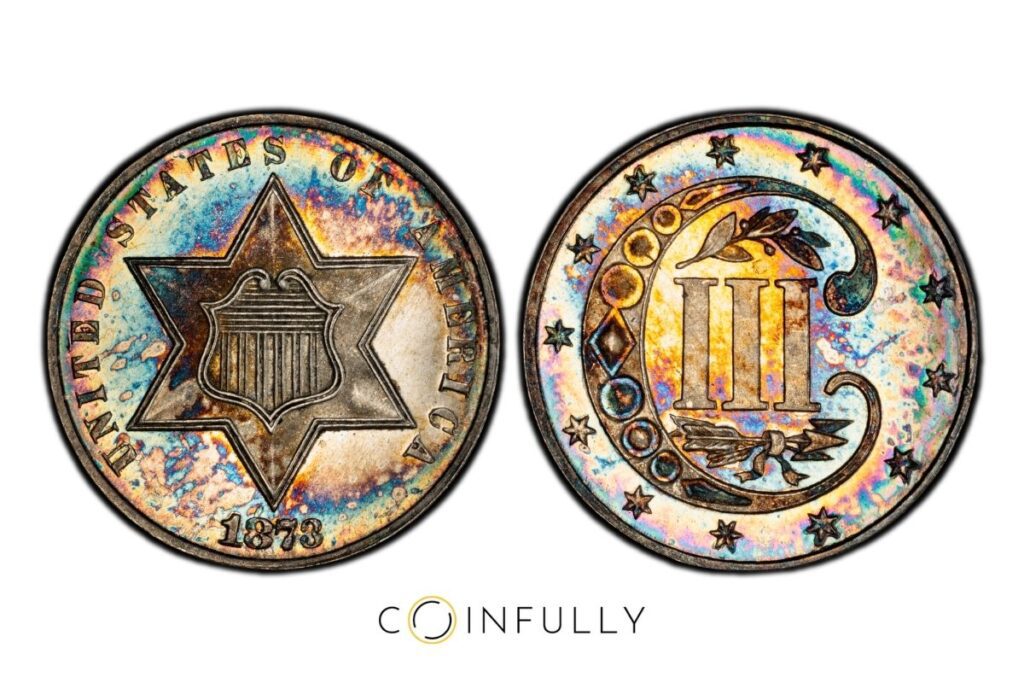
Here’s the data from a rare coin appraisal we recently completed here at Coinfully:
- Coin: 1873 Three-Cent Silver Proof Cameo
- Grade: PR64CAM
- Value: $2,100
What Makes a Coin Rare?
Not every old coin is a rare coin. Rarity depends on a combination of factors, and understanding them will help you evaluate your collection before seeking a formal coin appraisal.
Mintage Numbers and Survival Rate
The number of coins originally produced (the mintage) is a significant deciding factor when it comes to determining rare coin value. Low-mintage coins are harder to find, which drives collector demand and value.
However, mintage alone doesn’t tell the full story. What matters just as much is the survival rate, meaning how many of those coins still exist today.
A coin with a mintage of 500,000 might be rarer than one with a mintage of 100,000 if most of the first batch were melted down or lost over time.
Key Date Coins
Certain years and mintmarks are especially sought after by collectors. These are known as key date coins, and they can be worth significantly more than other coins in the same series.
For example, an 1893-S Morgan silver dollar is one of the most valuable Morgan dollars because so few were minted. Knowing which dates and mintmarks are considered key dates in your collection is one of the first steps toward understanding its value.
Other key date coins popular among collectors include:
- 1909-S VDB Lincoln Cent: A famous first-year issue with low mintage and strong collector demand.
- 1914-D Lincoln Cent: One of the toughest early Lincoln cents to find in higher grades.
- 1931-S Lincoln Cent: Low mintage makes it a key date despite being relatively modern.
- 1916-D Mercury Dime: Highly sought after due to its limited production.
- 1921 Mercury Dime: A scarce date that’s often missing from circulated sets.
- 1932-D Washington Quarter: A key date from the first year of the Washington quarter series.
- 1932-S Washington Quarter: Another low-mintage issue from the same debut year.
- 1916 Standing Liberty Quarter: A one-year design subtype that’s especially desirable.
- 1901-S Barber Quarter: A better-date coin that carries strong premiums in all grades.
- 1928 Peace Dollar: The lowest-mintage regular-issue Peace dollar, widely collected.
Coin Condition and Grading
Condition is one of the biggest factors affecting a coin’s value. Two coins of the same type and year can differ in price by thousands of dollars depending on their grade.
Professional grading uses the Sheldon scale, which runs from 1 (Poor) to 70 (Perfect Mint State). AU (About Uncirculated) and MS (Mint State) grades indicate coins in excellent condition, while lower grades reflect heavy wear.
Errors and Varieties
Minting errors, such as double die strikes, off-center strikes, and repunched mintmarks, can make a coin significantly more valuable.
These die varieties are highly collectible because they are unintentional and limited in number. If you notice anything unusual about your coins, it’s worth having an expert take a closer look.
Historical Significance
Coins tied to important events, eras, or figures in American history tend to carry a premium.
Early federal coinage, Civil War-era pieces, and coins from the pre-1933 gold era are good examples of coins where historical context adds to their numismatic value beyond the metal content alone.
Metal Content and Bullion Value
Some coins carry value simply because of what they are made of. Gold, silver, and platinum coins have an intrinsic bullion value based on the current spot price of their metal.
However, many rare coins are worth far more than their melt value because of collector demand, rarity, and condition. A professional appraisal helps you understand whether your coin’s value is driven primarily by its metal content or by numismatic factors.
Professional Coin Appraisal vs. Coin Grading: What Is the Difference?
These two terms are often used interchangeably, but they serve different purposes.
A coin appraisal provides an estimated market value for your coin or collection. This is what most people need when they are looking to sell or insure their coins. An appraiser considers the coin’s grade, rarity, current market trends, and demand to arrive at a fair value.
Coin grading is a standardized assessment of a coin’s physical condition. Services such as PCGS (Professional Coin Grading Service) and NGC (Numismatic Guaranty Company) grade coins on the Sheldon scale and seal them in tamper-proof holders, a process called “slabbing.”
A graded and certified coin is easier to buy and sell because its condition has been verified by a trusted third party.
Some coins also receive a CAC (Certified Acceptance Corporation) sticker, which indicates the coin is high quality for its assigned grade. This additional certification can increase a coin’s value further.
For most collectors and sellers, getting a coin appraisal first helps you decide which coins are worth the investment of professional grading and certification.
How To Get Your Rare Coins Appraised
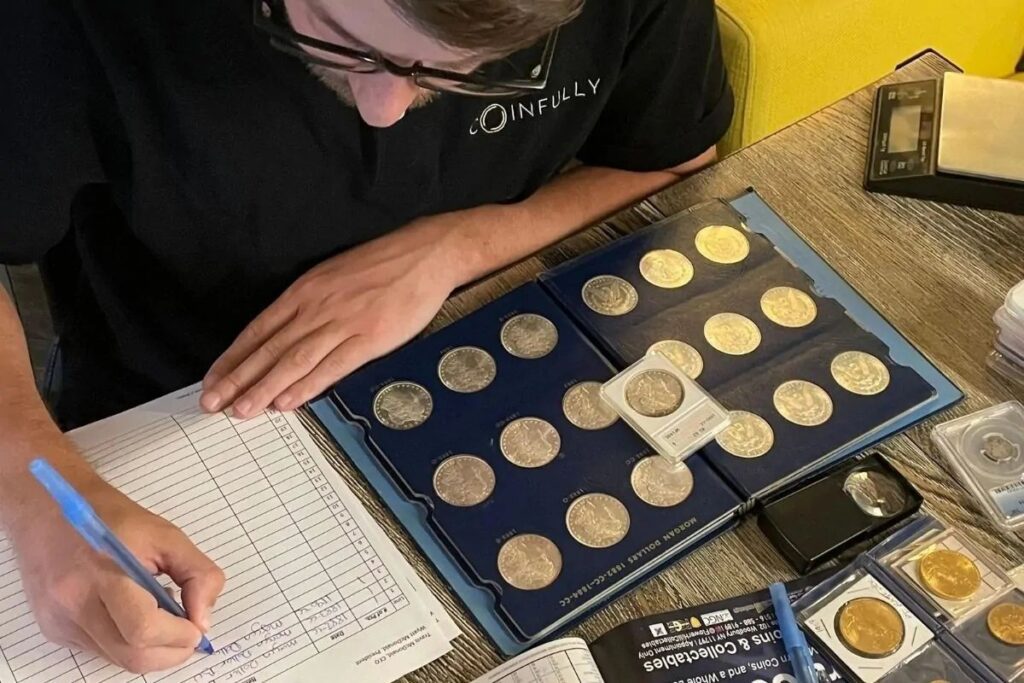
There are several ways to get coins appraised, depending on how many coins you have and what level of detail you need.
Online Coin Appraisal
If you want a quick estimate without leaving your home, an online coin collection appraisal is a great starting point. You can submit photos and descriptions of your coins to receive a preliminary value assessment.
Coinfully offers a free coin appraisal online that gives you an honest, detailed evaluation with no obligation to sell. This is especially helpful for larger collections where an in-store appraisal may not be practical.
Should you decide to sell coins online, everything is already in place for a fast and stress-free transaction.
In-Person or At-Home Appraisal
For high-value collections or coins that need hands-on examination, an in-person appraisal gives you the most accurate results, but depending where you’re located, there may or may not be a reputable coin shop nearby.
For qualifying collections, Coinfully has the ideal solution. We offer an at-home appraisal service where a qualified numismatist comes to you. This is ideal if you have a large collection, estate coins, or simply prefer not to transport valuable items.
Third-Party Grading Services
For individual coins that you believe are especially valuable, submitting them to PCGS or NGC for professional grading provides the most widely recognized assessment of condition.
Keep in mind that grading services charge per coin, and fees can add up quickly. Understanding coin grading costs beforehand helps you decide which coins are worth submitting.
A good appraiser can help you identify which coins in your collection would benefit most from third-party certification.
How To Find a Qualified Rare Coin Appraiser
Not all appraisers have the same level of expertise, and working with the wrong one can cost you. Here’s what to look for when choosing a numismatic appraisal service.
Look for Numismatic Expertise
A qualified appraiser should have deep knowledge of numismatics, not just general antique or jewelry appraisal experience.
Look for appraisers affiliated with organizations such as the American Numismatic Association (ANA) or those who hold credentials from recognized industry bodies.
Check for Transparency
A trustworthy appraiser will explain how they arrived at their valuation and will not pressure you into selling on the spot. Coin appraisal cost can vary widely, but if there is a fee involved, this should be made clear up front.
Be cautious of anyone who offers to buy your coins without first providing a detailed appraisal. The best appraisers separate the evaluation process from the buying process so you can make decisions without pressure.
Use Population Reports and Market Data
Qualified appraisers reference coin population reports from PCGS and NGC to understand how many examples of a particular coin exist in each grade. They also track auction results and current market trends.
If an appraiser cannot explain why they value a coin at a specific price, that’s a red flag.
Avoid Common Pitfalls
Be wary of free appraisals from businesses that primarily want to buy your coins at a discount. Legitimate coin appraisal services provide accurate values whether or not you choose to sell.
Also avoid cleaning your coins before an appraisal. Cleaning can damage the surface and actually reduce a coin’s value, sometimes significantly.
See our detailed coin appraisal guide to learn to recognize common red flags when searching for a qualified coin appraiser.
Preparing Your Coins for Appraisal
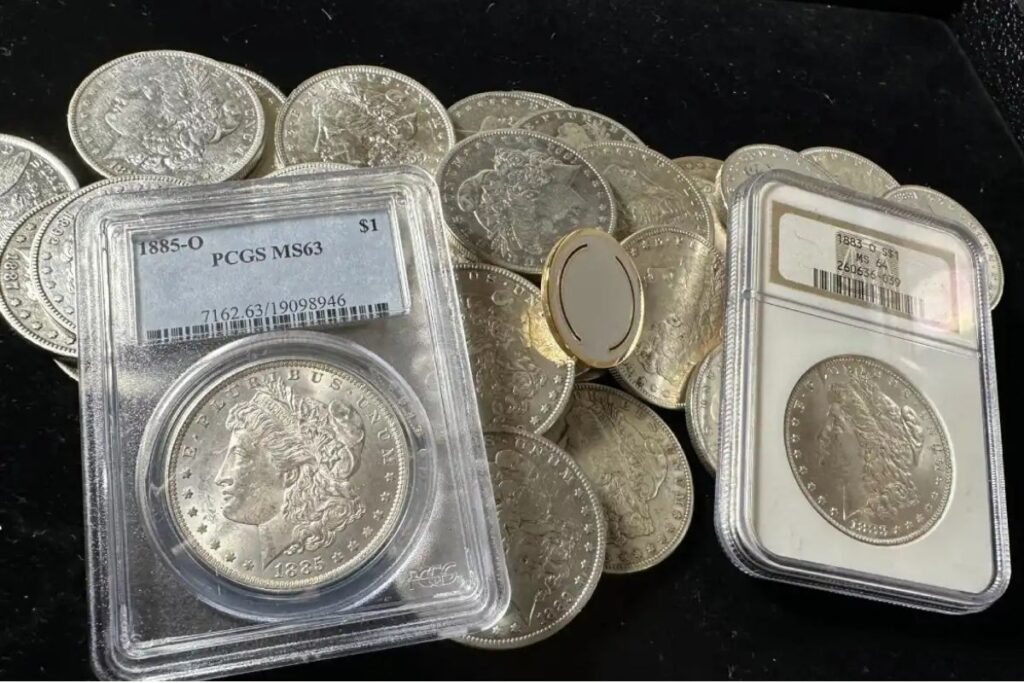
Whether you need a gold coin appraisal, a silver coin appraisal, an antique coin appraisal, or an appraisal for a mixed collection, before your appointment or submission, take a few simple steps to make the process smoother.
- Sort your coins by type, denomination, or series. This helps the appraiser work more efficiently and ensures nothing gets overlooked.
- Do not clean your coins. This is worth repeating. Cleaning removes the natural patina and can cause surface damage that decreases value.
- Keep coins in their current holders .If your coins are in albums, flips, or slabs, leave them as they are. Removing them can cause scratches or other damage.
- Document what you know. If you have any purchase receipts, previous appraisals, or notes about where the coins came from, bring them along. Provenance can sometimes add value.
Ready To Find Out What Your Rare Coins Are Worth?
Whether you have a single coin that caught your eye or an entire collection passed down through generations, getting a professional appraisal is the smartest first step.
At Coinfully, our team of experienced numismatists provides honest, no-pressure appraisals designed to help you understand your collection’s true market value.
Start with a free online coin appraisal today, or call (704) 621-4893 to speak with a numismatic expert about your rare coin collection.
The post Rare Coin Appraisal: How To Find the True Value of Rare Coins appeared first on Coinfully - the Best Way to Sell Coins | Free Appraisals.
Original post here: Rare Coin Appraisal: How To Find the True Value of Rare Coins


Comments
Post a Comment