Why Cleaning a Coin Yourself Can Cost You Thousands: What’s It Worth?
Since the 1980s, there’s been a somewhat unspoken rule in numismatics that‘s very important to keep in mind: cleaning coins often reduces their value. For those new to coin collecting, this might sound odd. A bright, shiny coin surely beats a dark, dirty one, right?
Amateur attempts at care and conservation can unfortunately reduce the collectible value of a coin significantly. This can happen in even one single swipe of a cloth.
When you need to know the true value of your coins in today’s market, keep your coins in their natural condition and get a free online coin appraisal from Coinfully.
Our expert numismatists will carefully evaluate your collection and provide a detailed appraisal that can be used for selling, insurance, and estate purposes, all at no cost to you and with zero pressure to sell.
Table of Contents
“I Cleaned My Coins. Now They’re Worth Less.”
Collectors might attempt to rejuvenate a coin with good intentions, but the result can not only harm the surface of a coin; it can reduce its value significantly.
Even experienced collectors try sometimes to improve the condition or quality of their coins and later find that the enhanced surface made their coins less appealing to buyers.
Why This Instinct Feels So Right (and Is So Costly)
In almost every other part of life, cleaning something increases its appeal. Coins are the rare and unusual exception.
The problem is that the very act of making a coin look “new” is what tells an expert that it’s been damaged. A genuinely old coin that gleams like it left the mint yesterday is more of a giveaway that it’s been tampered with rather than a selling point.
Professional Conservation Is Different From Cleaning
No matter how dirty or dull your coins appear, it’s recommended to keep your coins in their original condition and avoid cleaning, as even gentle cleaning can be problematic. Professional conservation specialists evaluate whether a coin is a good candidate for conservation before any work is performed.
However, part of what collectors pay for when they send coins for conservation is the assessment of whether or not a particular coin can withstand the conservation process at all. That’s a very difficult question to answer for most collectors.
Successful conservation depends on multiple factors such as toning, potential hidden wear that can’t be seen readily by an untrained eye, the precious metal content of a coin, and details regarding how a coin may have been stored previously.
Cleaning almost always diminishes value rather than adding to it. Knowing why is the key to avoiding making this costly mistake and to understanding why cleaning a coin can often render it unsellable.
What Improper Cleaning Actually Does to a Coin
To see why cleaning is so damaging, it’s important to understand what makes a coin valuable in the first place. There are many factors including condition, rarity, authenticity, and the originality of a particular coin.
Every Coin Has an Original Surface and Unique Eye Appeal
The moment a coin is struck, it has an original surface: a unique combination of luster, microscopic metal flow lines, and the fine texture the dies pressed into the metal.
That surface can never be recreated once it’s disturbed, and the survival of a coin’s original state makes for some of the most valuable coins known today.
Those coins that stand the test of time, whether they were locked away for decades or safely stored in a tamper proof holder, tend to grab the most attention when they come to auction.
Survival stories of specimens like these not only add to the excitement around the rarity but also almost always go along with a surprisingly high-quality and remarkable-looking coin.
Hairlines: The Damage You May Not See but Experts Always Can
When you rub, wipe, or polish a coin, tiny particles are dragged across that delicate surface.
This creates hairlines: fine, parallel scratches that are usually invisible to the naked eye but glaringly obvious under magnification or when tilted under bright light. Even a soft, clean cloth gently glided over the surface can leave hairlines.
To a trained grader with a loupe, hairlines are a signature, and they instantly reveal that a coin has been cleaned. There’s no hiding it and no undoing it.
Lost Luster and Unnatural Brightness
Original mint luster is created by those microscopic flow lines catching the light as you rotate the coin. Cleaning disrupts them, which is why a cleaned coin so often looks flat, dull, or oddly and artificially bright.
An unnatural shine will be spotted quickly by dealers, and cleaned coins that are sent off for grading are easily identifiable by professional grading services.
PCGS and NGC, the two most reputable and widely recognized grading companies, will designate a cleaned coin on the label of the holder, thus marking the coin as altered the remainder of its life in that slab.
How Cleaning Coins Affects Value: The “Details” Grade
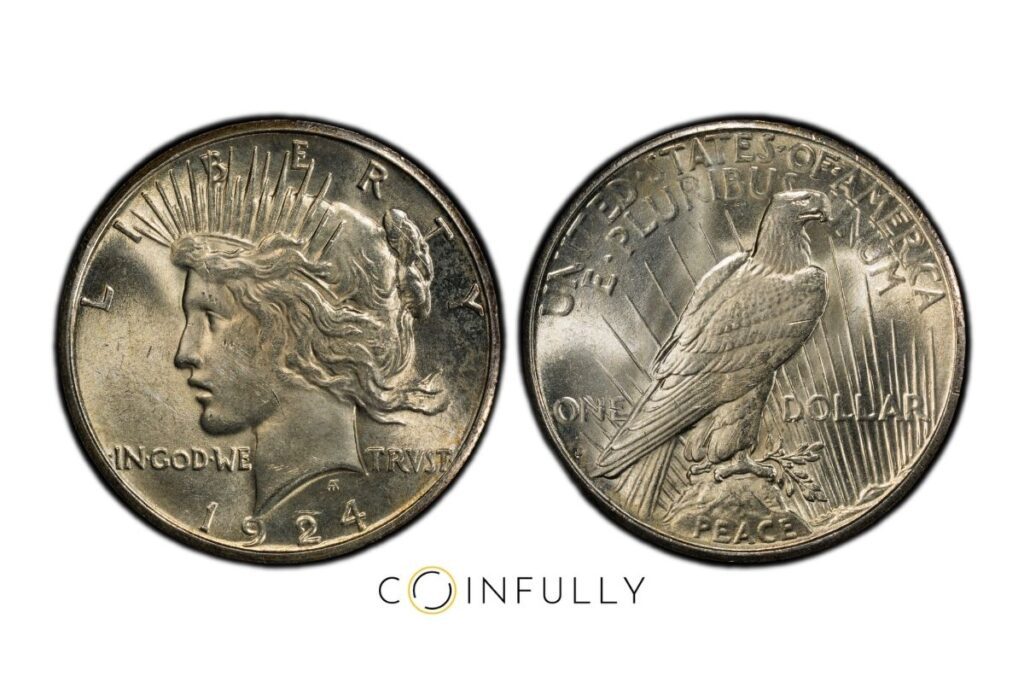
This is where the damage turns into real, measurable dollars. The professional grading system treats cleaning as a significant degradation in value.
From a Straight Grade to “Details (Cleaned)”
Normally, a coin sent to PCGS or NGC earns a straight numeric grade on the 70-point scale, such as MS-62 or AU-58. However, when their experts detect cleaning, the coin no longer qualifies for a straight grade.
Instead it receives a “Details” grade with a note describing the problem, for example, “MS-62 Details (Cleaned).”
What That Costs You in Real Dollars
A straight-graded coin and a “Details (Cleaned)” coin can look nearly identical to an untrained eye, but they’re worth very different amounts. Depending on the coin’s rarity, cleaning can sharply cut market value, sometimes by half or even more.
To put that in concrete terms, experienced collectors tell stories of learning the hard way. The slightest miscalculation in the cleaning process has cost some collectors thousands of dollars.
It’s always a gamble that rarely pays off. Even professional conservation specialists often elect not to preserve a coin, but that’s their job: to determine the ability of a coin to withstand conservation.
The Mistake You Cannot Undo
Cleaning is different. It’s one of the very few coin-selling mistakes that’s truly irreversible. No re-toning, no home remedy, and no amount of wishing will restore an original surface once it’s gone. This is what makes cleaning such a slippery slope.
Why Originality Wins
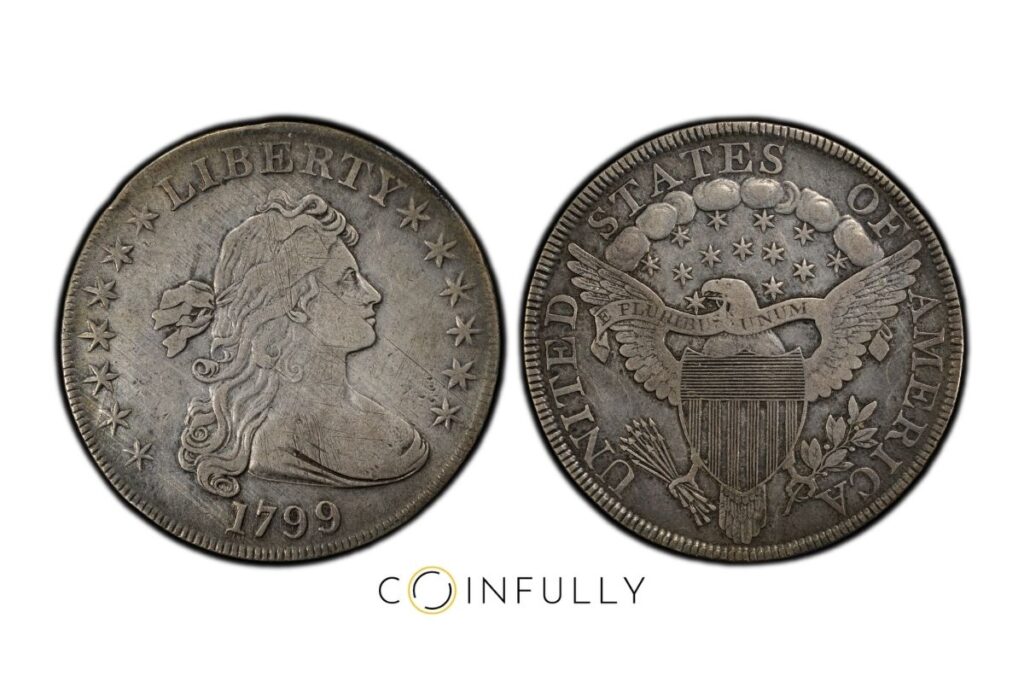
A dirty, original coin genuinely is safer and more recognized by collectors than the same coin if it has been cleaned.
What Looks Like Dirt Tells a Story
To most collectors, dark toning might look like neglect. To an expert, it’s information. That surface tells the story of how the coin was stored, roughly when it last circulated, and, most importantly, that its original surface is intact.
Natural toning, the soft color that silver and copper develop over decades, is often a sign of an untouched, honest coin. In many cases, attractive original toning actually adds to a coin’s value rather than subtracting from it.
For example, in recent years, toned Morgan dollars have become increasingly popular and realized significant premiums at auction.
Original and Toned Beats Bright and Whizzed
Ask almost any professional, and they’ll tell you the same thing: they would far rather see a coin in its natural state than one put under a buffer with a wire brush.
Originality is the foundation of numismatic value. A whizzed coin has traded its authenticity for an unnatural shine, while an original coin, however dull, keeps everything that makes it valuable.
What To Do if Your Coins Were Already Cleaned
If you’ve already cleaned some coins, it’s not the end of the world. Cleaned coins still carry value, sometimes substantial value, especially if they’re rare or old.
Cleaning didn’t become taboo until the 1980s when professional grading companies began strictly grading authentic state, rare condition, and originality to determine value.
If you’ve just inherited a collection and are assessing your coins, let a professional evaluate them honestly so you know what your coins are truly worth today.
Bring Your Coins to Coinfully Exactly as They Are
The best thing you can do before selling is to make an inventory list or photograph the collection. It’s strongly suggested to leave coins in their original state and to avoid altering them in any way.
When you opt for our free online coin appraisal, Coinfully’s numismatists evaluate your coins exactly as they are, cleaned or original, and tell you honestly what each one is worth and why.
Coinfully is an accredited member of the American Numismatic Association and an authorized, registered dealer with both PCGS and NGC holding an A+ BBB rating. The experts at Coinfully give you an accurate, detailed appraisal with no pressure to sell.
Should you decide to sell your coins, your mail-in package will be fully insured by Lloyd’s of London and opened under 4K security cameras, and payment will be issued the same business day your collection is verified.
For qualifying large or historically important collections, we also offer an at-home coin appraisal service where one of our experts travels to your location to evaluate your coins in person and make an offer on the spot.
The Best Thing You Can Do Before Selling Coins
When it comes to your coins, resist the urge to clean. Any friction, swabbing, or washing of coins can constitute damage and reduce the value of a coin compared to its original state.
A coin in its original state, with its toning and history intact, holds onto everything that makes it valuable. So before you sell, protect your investment by leaving your coins as is and let a professional evaluate them.
Frequently Asked Questions About Cleaning Coins
Why does cleaning a coin lower its value instead of raising it?
Value is lost because cleaning damages the coin’s original surface. Wiping or polishing drags particles across the metal and leaves permanent hairline scratches while destroying the natural luster and toning that collectors prize. Grading services treat this as surface damage, so a cleaned coin gets a discounted “Details” grade instead of a full numeric grade, which can diminish its value quite a bit.
How can experts tell that a coin has been cleaned?
Experts see hundreds if not thousands of coins per day. Cleaned coins stand out, even just to the naked eye via photos. When reviewed under magnification and angled light, cleaning leaves telltale signs: fine parallel hairline scratches, broken or flattened luster, and an unnatural brightness that doesn’t match the coin’s age. These clues are nearly impossible to hide from a trained grader, even when the cleaning was done gently or long ago.
I already cleaned my coins. What are they worth?
Cleaned coins still have value. Sometimes, if the cleaning is minor, they can still command a significant amount, especially if they’re rare, key date, or historically important. Leave them as they are, and get a professional appraisal so you know their real current value.
My coins are old. Shouldn’t I at least rinse them off before selling?
It’s best not to clean your coins in any way. What looks like dirt often protects an original surface and tells experts about the coin’s history and storage. Even a light rinse can affect old metals, and a light brush of fabric across the surface of a coin can create hairlines. Leave your coins in their current state so a professional can evaluate them.
What about professional coin cleaning or conservation?
Professional conservation is a specialized service, offered by groups such as the grading companies themselves, used to remove harmful contaminants such as PVC residue from storage in old albums. This kind of cleaning can sometimes be done without abrading the surface. It’s very different from home cleaning and is reserved for specific situations. If unsure, contact an expert for guidance.
The post Why Cleaning a Coin Yourself Can Cost You Thousands: What’s It Worth? appeared first on Coinfully - the Best Way to Sell Coins | Free Appraisals.
Original post here: Why Cleaning a Coin Yourself Can Cost You Thousands: What’s It Worth?


Comments
Post a Comment